Provincial Oversight of Digital Wallet Integrations in Mobile Slot Environments with Emphasis on Player-Control Mechanisms
Written by Yves Otto · Sep 12, 2026
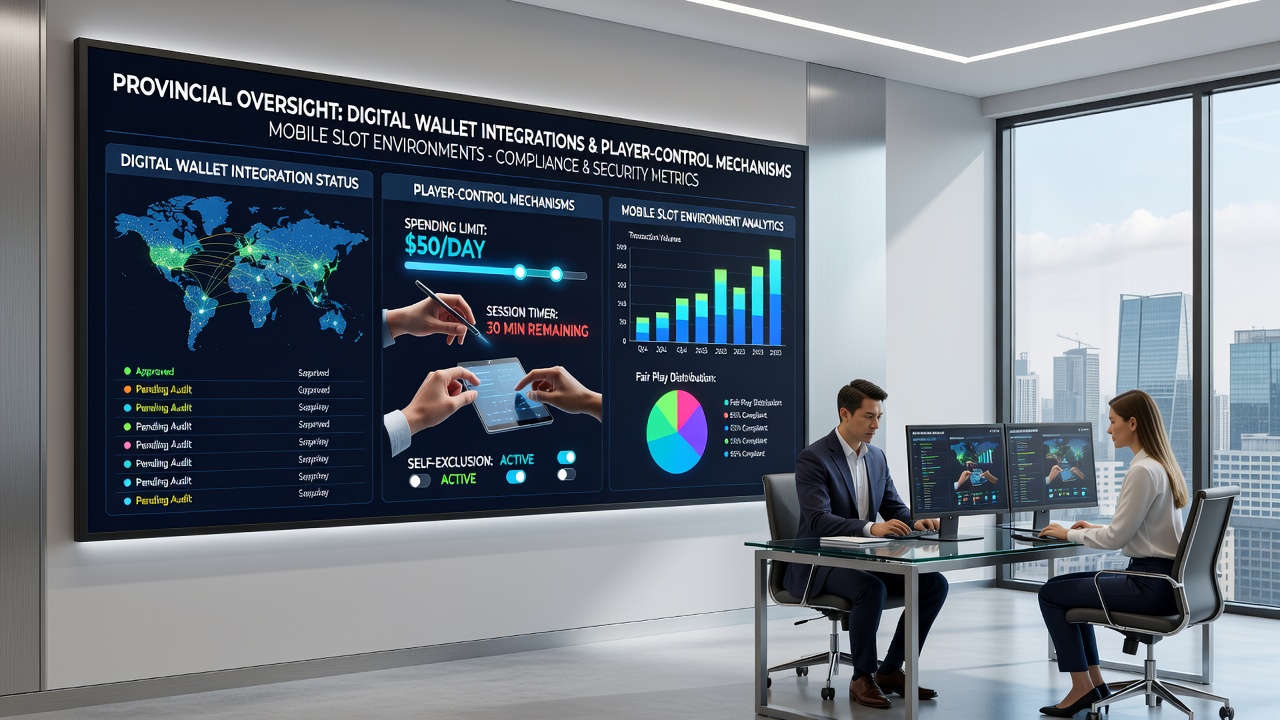
Provincial Oversight of Digital Wallet Integrations in Mobile Slot Environments with Emphasis on Player-Control Mechanisms
Provincial authorities across Canada maintain structured frameworks that govern how digital wallets connect to mobile slot platforms, with particular attention paid to mechanisms that allow users to set personal boundaries on spending and session duration. These systems operate under licensing conditions that require operators to embed controls directly into payment flows, ensuring that wallet transactions align with established responsible gambling protocols rather than functioning as standalone financial tools. Data compiled by provincial regulators shows steady growth in wallet-based deposits for mobile slots since the expansion of legal online gaming markets, which has prompted tighter integration standards to prevent unauthorized or impulsive activity.
Current Regulatory Structures Across Provinces
Ontario's iGaming framework, administered through the Alcohol and Gaming Commission of Ontario, requires all wallet providers to interface with centralized player account management systems that enforce deposit caps and cooling-off periods at the point of transaction. Similar requirements appear in British Columbia and Alberta, where provincial gaming corporations mandate that wallet integrations undergo regular audits to verify compliance with player protection rules. In September 2026, several provinces synchronized their reporting timelines, which now require operators to submit monthly data on wallet transaction patterns alongside self-exclusion matches, creating a more unified approach to monitoring across jurisdictions.
These oversight models emphasize interoperability between wallet services and provincial self-exclusion registries, so that any user listed in a voluntary exclusion database automatically faces transaction blocks regardless of the payment method chosen. Regulators coordinate with technology vendors to test these blocks during platform certification, confirming that mobile slot environments cannot bypass controls through alternative wallet setups or third-party processors.
Technical Requirements for Wallet Integration
Digital wallet connections in mobile slot environments must incorporate real-time verification of player status before any funds transfer occurs, which includes cross-checks against provincial databases for active limits or exclusions. Operators receive detailed specifications that outline acceptable latency thresholds for these checks, along with mandatory logging of every attempted transaction that encounters a control trigger. Research from the Canadian Centre on Substance Use and Addiction indicates that such embedded verification steps reduce the incidence of players exceeding preset limits by measurable margins in provinces where the standards apply uniformly.

Wallet providers must also support features that let players establish session-based spending thresholds directly within the app interface, with those thresholds communicated instantly to the slot platform's backend. This linkage prevents situations where a player could fund multiple sessions through separate wallet top-ups without triggering cumulative limit alerts. Provincial inspectors conduct periodic reviews of these communication protocols to ensure that data remains encrypted and that override attempts by either the player or the operator are logged and reported.
Player-Control Mechanisms in Practice
Player-control tools integrated with digital wallets include options for daily, weekly, or monthly deposit ceilings that automatically adjust available balances once reached, while also offering time-based restrictions that lock wallet access after a chosen duration of continuous play. These controls extend to loss-limit settings that calculate net expenditure across all mobile slot games tied to the same wallet, providing a consolidated view rather than isolated game-by-game tracking. Operators must display these options prominently during the wallet onboarding process, and regulators verify through mystery shopping exercises that the prompts cannot be skipped or deferred.
Self-exclusion mechanisms receive particular scrutiny because they require permanent or time-limited blocks that survive even if a player attempts to create new accounts or switch wallet providers. Provincial systems share exclusion lists through secure data exchanges, so a person registered in one jurisdiction cannot easily migrate activity to another province's mobile slot market via an unregulated wallet channel. Compliance reports submitted to regulators document the success rate of these blocks, revealing that most attempted circumventions occur within the first thirty days after exclusion registration.
Monitoring, Reporting, and Compliance Data
Provincial bodies collect anonymized transaction datasets that track how frequently players interact with control features, including the average time between setting a limit and reaching it. These figures help authorities adjust minimum standards for wallet integration, such as requiring additional confirmation steps when a player tries to increase an existing limit. Industry associations like the Canadian Gaming Association publish aggregated summaries of these metrics, which show consistent adoption rates of deposit-limit tools among wallet users in regulated mobile environments.
Enforcement actions focus on cases where wallet integrations fail to honor control settings, resulting in fines or temporary suspension of payment processing privileges for the operator. Auditors examine both the technical logs and player complaint records to determine whether lapses stem from software errors or procedural gaps, then issue remediation orders that must be completed before full operational reinstatement.
Conclusion
Provincial oversight continues to evolve alongside advancements in digital wallet technology, with emphasis placed on seamless incorporation of player-control features into every transaction layer of mobile slot environments. The coordinated approach among provinces, supported by standardized reporting and technical audits, maintains consistent protection standards that address both individual spending behaviors and broader market integrity. Ongoing data collection informs refinements to these frameworks, ensuring that wallet integrations remain aligned with established responsible gambling objectives across Canadian jurisdictions.